
Newsletter / Reports
Built to Sell Book Summary
By Dr. Reggie Padin, Aimpro + ExpandPro · May 29, 2026
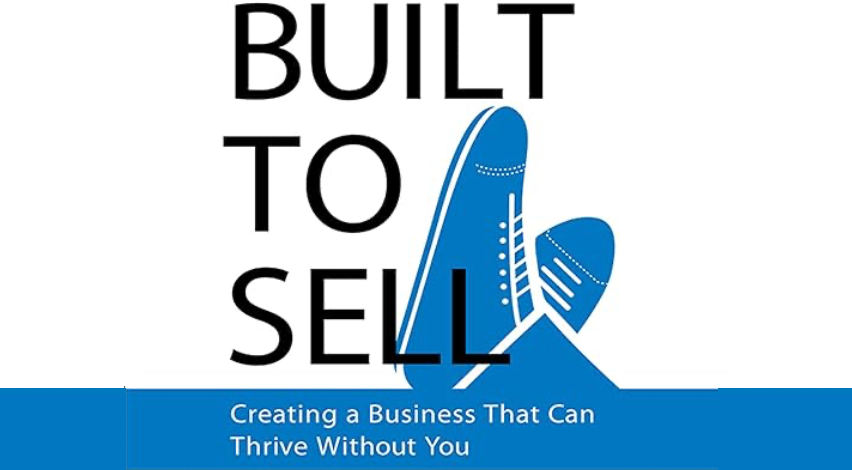
Built to Sell: Creating a Business That Can Thrive Without You by John Warrillow is a practical business parable about one of the most frustrating traps entrepreneurs fall into: building a company that depends too much on them. The book follows Alex Stapleton, a fictional advertising agency owner who wants to sell his business but discovers that buyers are not very interested because the company cannot function well without him. Warrillow uses Alex’s story to show how owners can turn a customized, founder-dependent service business into a focused, scalable, sellable company.
The core message is simple: a valuable business is not just profitable; it is transferable. That means someone else could buy it, understand it, run it, and grow it without needing the founder to stay forever. For many entrepreneurs, that idea is a wake-up call. You may think you own a business, but if every sale, client relationship, decision, and delivery detail depends on you, what you really own is a demanding job with a company logo.
Warrillow teaches that sellability comes from focus, repeatability, recurring revenue, clear processes, and reduced owner dependency. Instead of offering everything to everyone, a business should specialize in something it can deliver consistently and profitably. This is especially relevant for consultants, agencies, service providers, and small-business owners who feel buried in custom work.
One of the strongest lessons is that building to sell does not mean you must sell. It means you build a healthier business. A company that can run without you gives you options: sell it, keep it, step back, grow it, or bring in leadership. Options are power.
For adult learners and business owners, Built to Sell is a reminder that freedom is designed, not wished into existence. If your business currently feels like a treadmill, this book helps you start building something more like an asset.
Key Ideas
A business that depends on you is hard to sell. Buyers want confidence that the company can continue producing revenue after the founder leaves. If clients only buy because of your personal relationships, or if your team cannot deliver without your constant involvement, the business feels risky. Warrillow’s lesson is not just about exit planning. It is about day-to-day freedom. The less the business relies on your personal heroics, the more valuable and durable it becomes.
Specialization makes a business easier to scale. Alex’s agency starts out doing many kinds of marketing work for many kinds of clients. That may feel flexible, but it creates operational chaos. Every project becomes a one-off. Warrillow pushes the idea that a sellable company needs a focused offering that can be taught, repeated, measured, and improved. Think of it like a restaurant. A tight menu is easier to execute well than a 12-page menu where every dish requires different ingredients, skills, and timing.
Process turns expertise into an asset. If your best work only lives in your head, the company’s value is trapped inside you. Documented systems allow others to deliver consistent results. This does not remove creativity; it protects quality. When your process is clear, you can train people, reduce mistakes, improve margins, and show potential buyers that the business has structure.
Recurring revenue increases confidence. Buyers prefer predictable income over unpredictable project work. A company with repeat customers, contracts, subscriptions, retainers, or ongoing service agreements feels more stable. Even if you never sell, recurring revenue reduces stress because you are not starting every month at zero.
A strong management team makes the business less founder-dependent. Warrillow emphasizes that the owner should not be the only person clients trust. Your team needs authority, responsibility, and visibility. This may feel uncomfortable at first, especially if you are used to being the star. But if you want a business that can thrive without you, you have to let other people own important outcomes.
Main Takeaways
Your business becomes more valuable when it can operate without your daily involvement. Start removing yourself from every task, decision, and client relationship that does not truly require you.
Focus beats variety. A narrow, repeatable offer is often more sellable than a broad menu of custom services.
Document your process before you need to delegate it. If people cannot follow your method, your business cannot scale beyond your personal capacity.
Prioritize predictable revenue. Retainers, subscriptions, maintenance plans, memberships, and long-term contracts can make your business stronger and less stressful.
Build a company buyers would understand. Clear financials, clean systems, defined roles, and consistent delivery make your business easier to trust.
Action Plan
Start by identifying where the business depends too heavily on you. List the tasks, relationships, approvals, and technical decisions that currently require your personal involvement. Circle the ones that create the biggest bottlenecks.
Next, choose one offering to productize. Look for a service you already deliver well, that customers value, and that can be repeated. Give it a clear name, scope, process, price structure, and outcome. Your goal is to make it easier to buy and easier to deliver.
Then document the delivery process. Write down each step from sales conversation to final result. Include templates, checklists, quality standards, timelines, and common mistakes. Do not aim for perfection. Aim for something another capable person could follow.
After that, reduce custom work. When clients ask for exceptions, pause before saying yes. Ask whether the request strengthens your business model or pulls you back into chaos. Custom work may bring short-term revenue, but it can weaken long-term value.
Now create recurring revenue where possible. Turn one-time projects into ongoing support, maintenance, reporting, advisory, training, or subscription-based services. Predictability makes planning easier and increases buyer confidence.
Finally, start shifting client trust to the company, not just to you. Introduce team members early, let them lead parts of the relationship, and avoid making yourself the only point of contact. A sellable business has a strong brand and system, not just a heroic founder.
About the Author
John Warrillow is an entrepreneur, author, and founder of The Value Builder System, a platform focused on helping business owners improve company value and sellability. He is also the host of Built to Sell Radio, where he interviews founders, acquirers, and exit experts about selling businesses and building companies with stronger value.